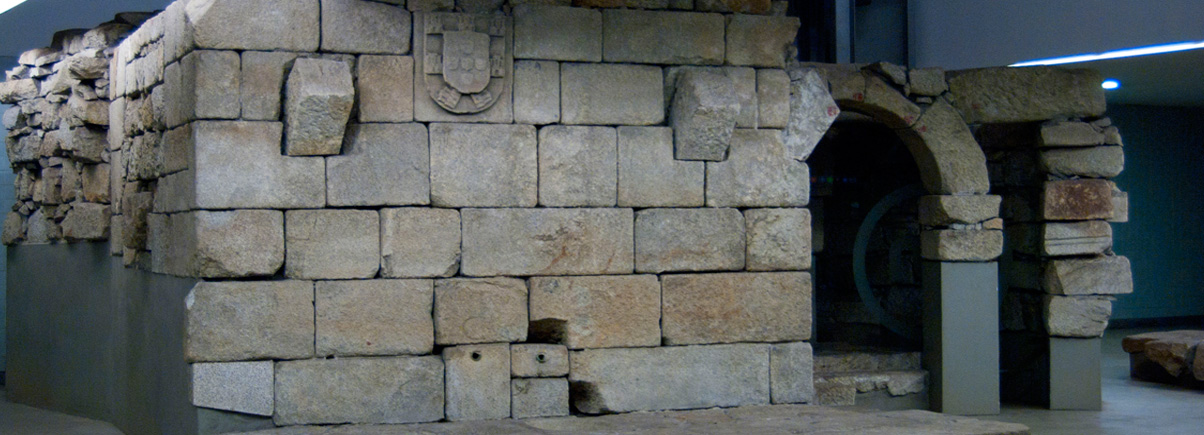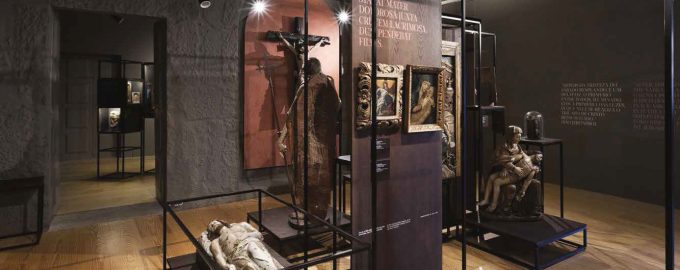
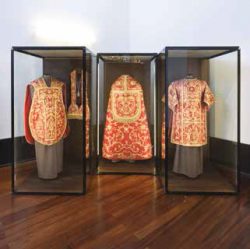
 The journey through the Casa da Irmandade (1754-1758), where the Museum is located, provides a return to the past as you get to explore spaces that once were private and destined for the daily life of the Brotherhood of Clerics.
Walking through the Casa do Despacho, the Sala do Cofre, the Archives, and the old infirmary, one can see that the Museum has a collection of cultural assets of considerable artistic value from the 13th to the 20th century, which spreads through its collections of sculpture, painting, furniture and jewellery. These goods are messengers of a historical and cultural patrimony, whose function was lost throughout time but gave way to the creation of the museum.
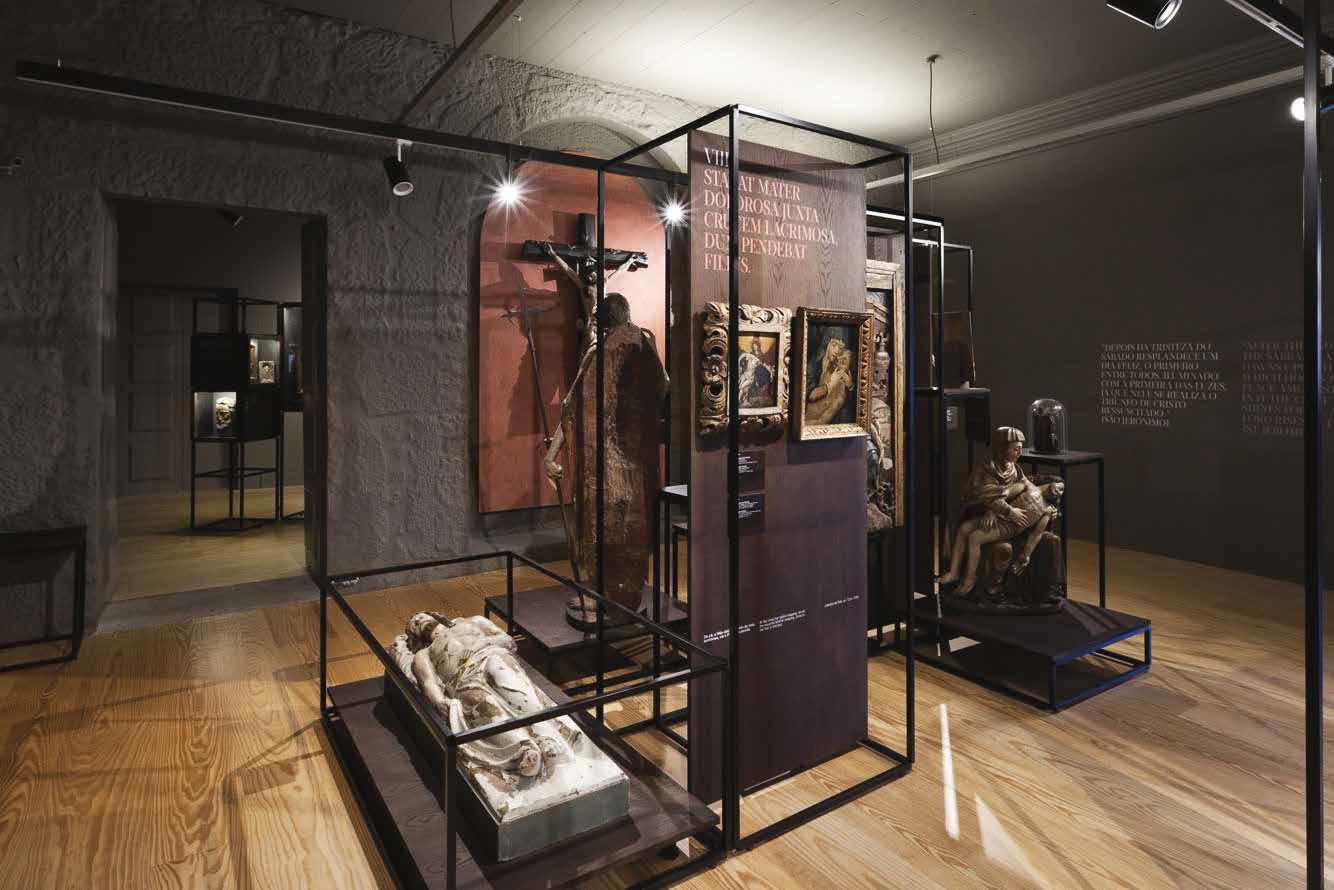
The infirmary of the Brotherhood of Clerics, which operated until the end of the 19th century and dedicated to the treatment of sick clerics, has been converted into an exhibition space and currently houses the Christus collection. This exhibition, conceived from the donation of a collection by a private collector, reveals the passion for collecting and tells a story complemented by objects, once of devotion, considered today cultural legacies of interest. They are important pieces of sculpture, painting and jewellery making that enhance the encounter of art with faith.
The exhibition, distributed in three rooms – Núcleo da Paixão, Viagem das Formas e Imagens de Cristo – invites you to travel through time and space, through image and devotion.
The Museum of the Irmandade dos Clérigos, is part of the Portuguese Museum Network, since August 28, 2018.
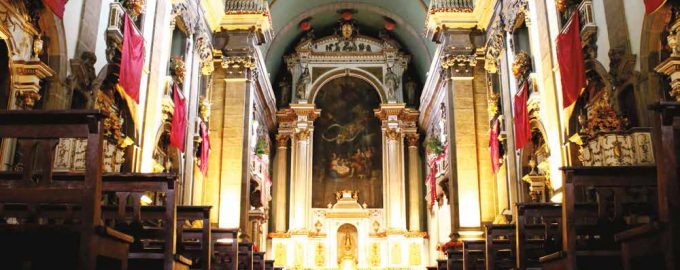
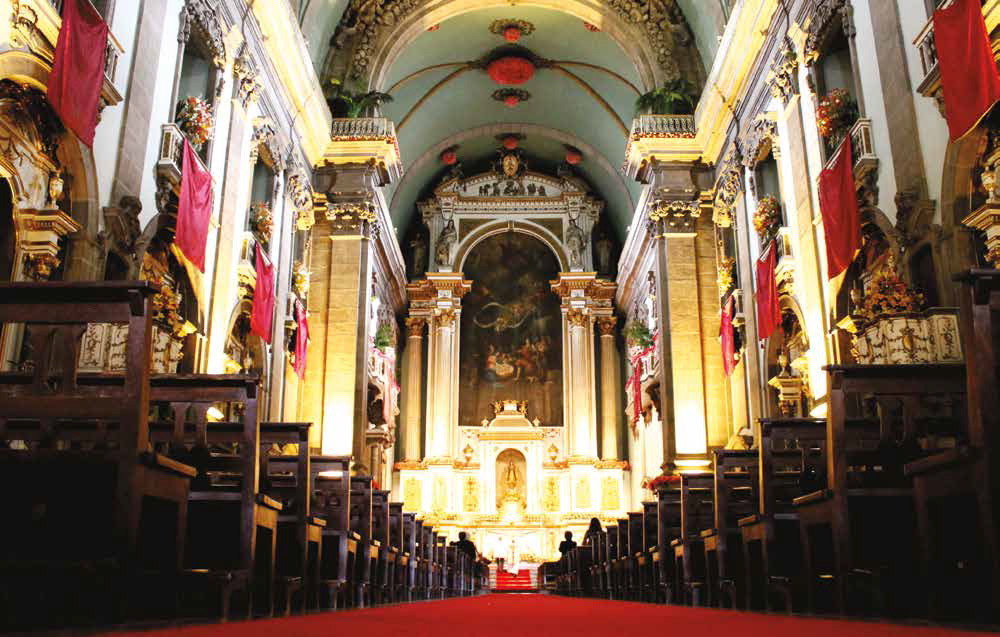
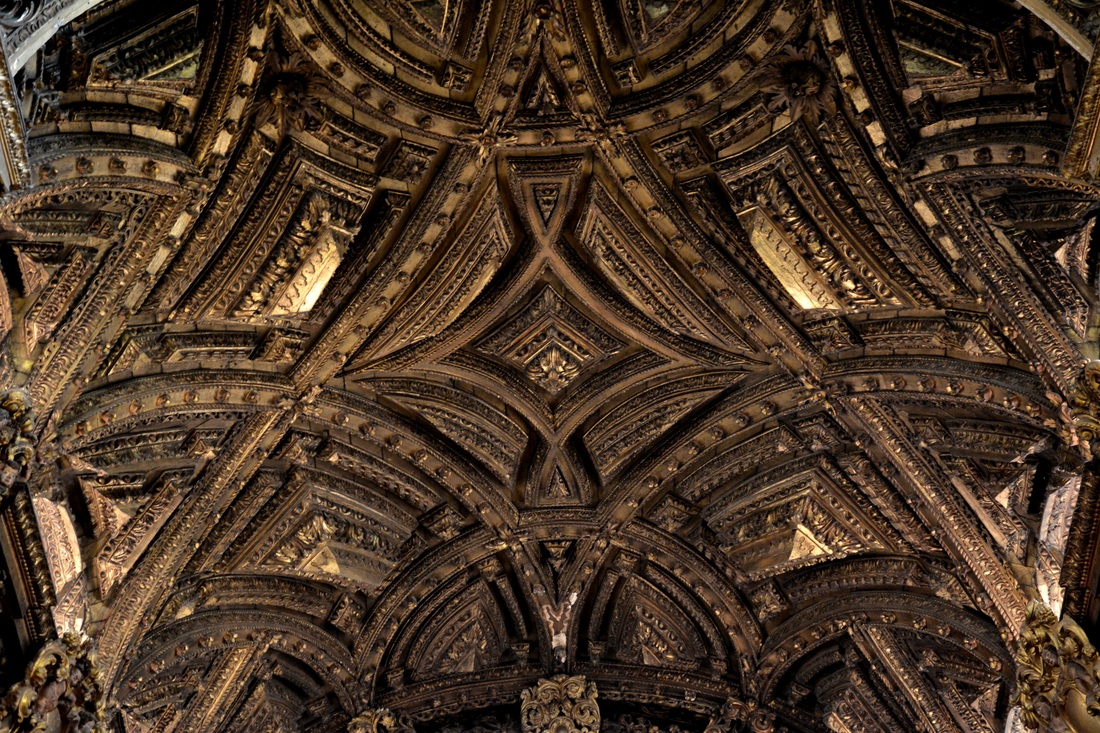
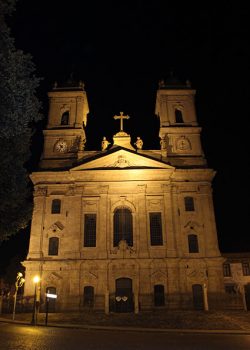 Living, or being in Porto, on this date makes it mandatory to witness to the way the city lives this significant moment of its spirituality. I venture to say that, at least once in my life, so as not to steal the limelight of other parishes, it is mandatory to participate in the extraordinary Missa do Galo in Lapa. Christmas is also magic, and magic is not incompatible with solemnity. The experience of the Missa do Golo in Lapa is just that, magical and solemn. Here, the spirit is awakened through the different senses in a sublime way. As the eyes marvel at the artistic richness of the Church and with the aesthetic rigor of the celebration, the scent of traditional incense reinforces the intensity of the moment and the music of extraordinary execution and delicate choice fills the time between words that give meaning to everything else. It is a unique experience!
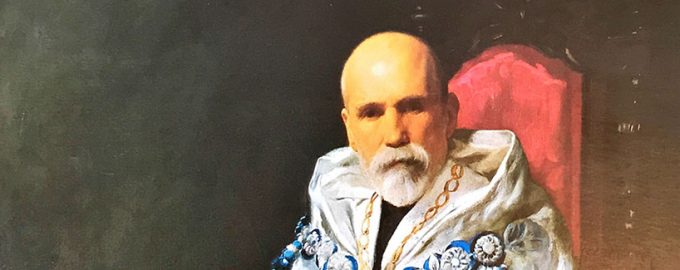
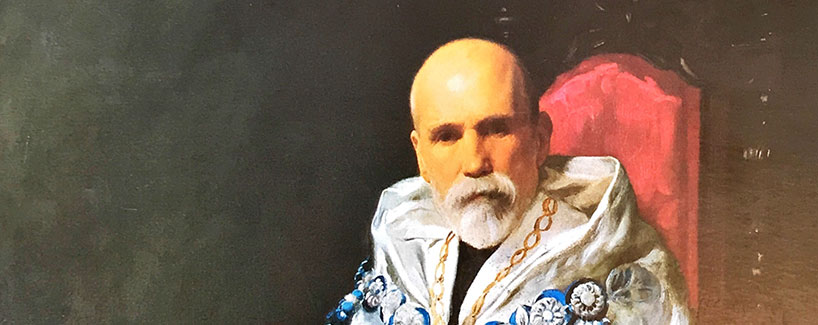
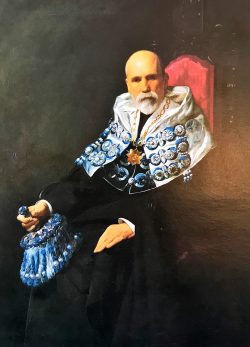 Gomes Teixeira, illustrious mathematician who would become the first rector of the University of Porto, only did not study Theology by mere chance.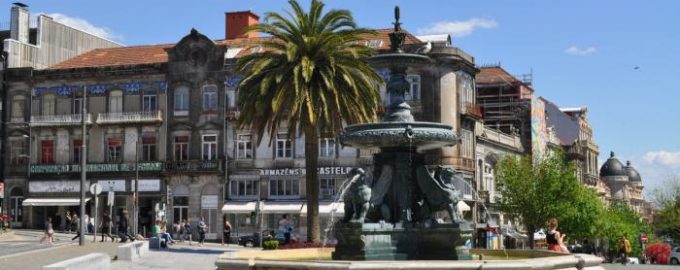
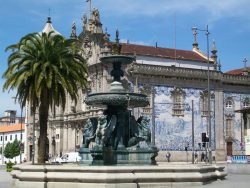
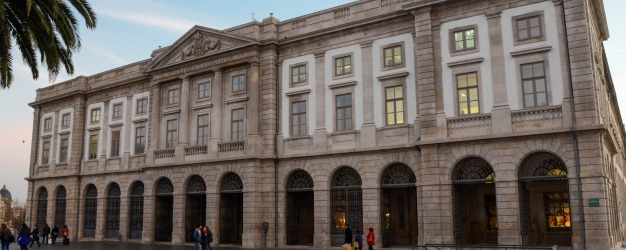
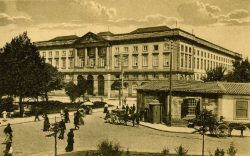 Founded on March 22, 1911, the University of Porto is increasingly sought after by Portuguese and foreign students. With 14 colleges and three hubs (in the center, Asprela and Campo Alegre), it has about 30 thousand students from all over the world.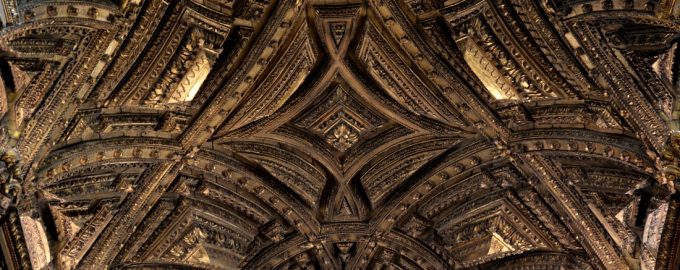
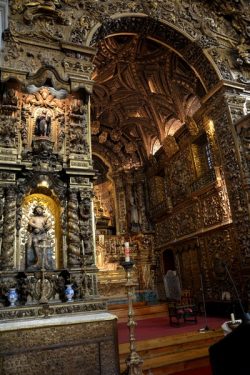
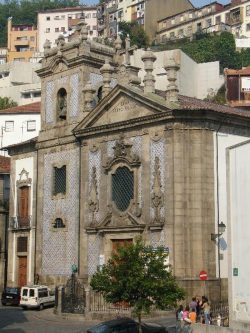 The current church, rebuilt in the eighteenth century, emerged in the place where there was previously another temple of medieval origin. Miragaia, along the Douro River, was one of the first inhabited zones in the city. Born in the heart of a devout fishing community, this church was dedicated to São Pedro, patron saint of fishermen.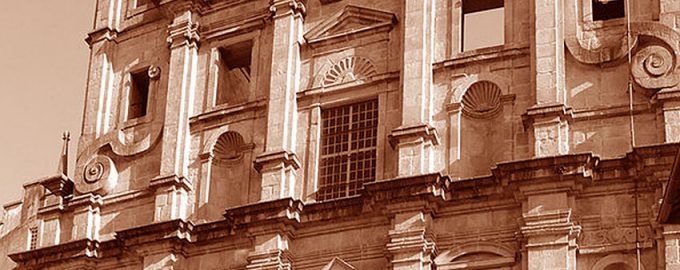
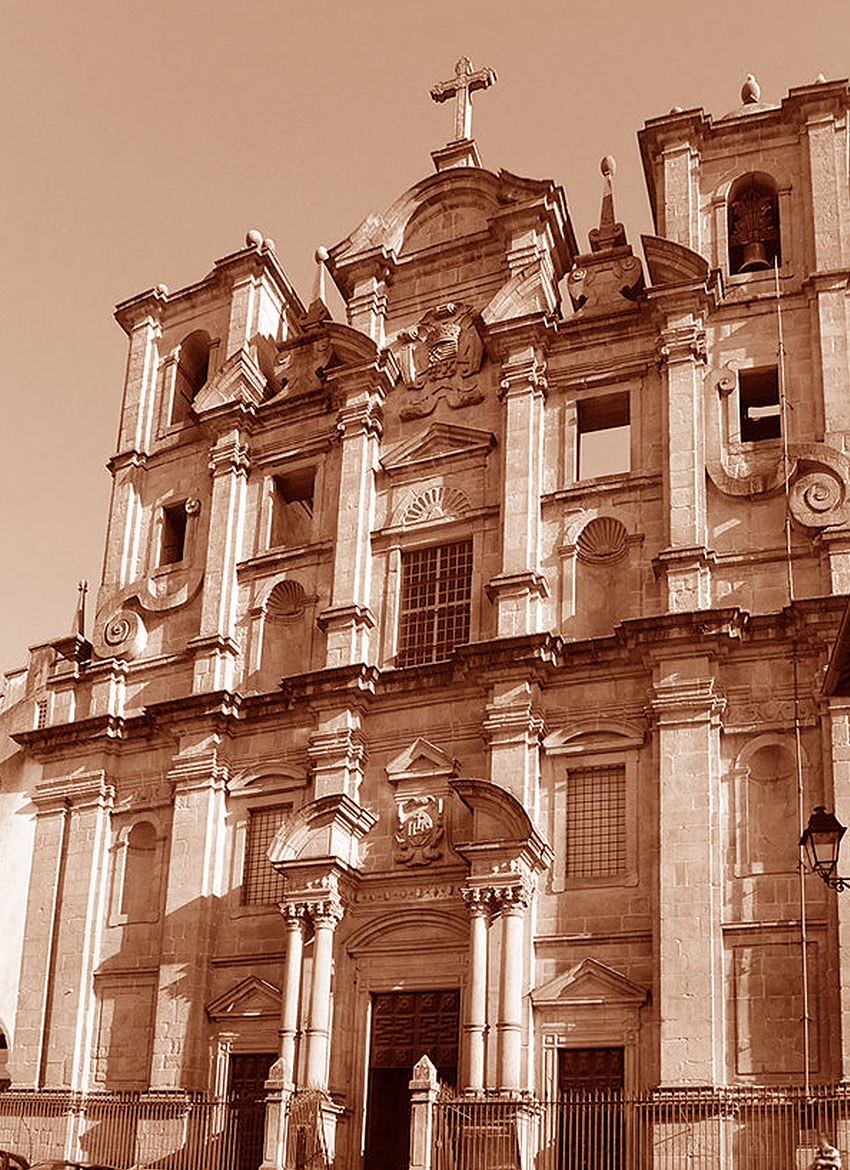
 Legend has it that in the place where the Igreja de São Lourenço was built, one could hear the constant singing of the crickets. For this reason, the church is still known today as the Church of the Crickets.